Most purchases start losing value the moment you make them. Cars depreciate, electronics become outdated, and even many luxury items struggle to maintain their original price over time. Luxury watches occupy a different space. While not every watch becomes more valuable, certain timepieces have shown an impressive ability to retain their worth and, in some cases, appreciate significantly.
Part of the appeal comes from the fact that luxury watches sit at the intersection of craftsmanship, exclusivity, and demand. They’re not simply accessories. For many buyers, they’re personal assets that can be worn, enjoyed, and passed down while still holding meaningful value.
Many collectors and investors continue to turn to luxury watches because they offer something that few other possessions can match: a combination of function, heritage, and long-term market appeal.
What Makes Luxury Watches Different From Other Luxury Purchases
Luxury goods often face a steep drop in value once they leave the showroom. Designer clothing, handbags, and many high-end accessories are heavily influenced by changing trends. Watches operate differently because demand is often tied to factors that remain relevant for decades.
A well-made watch is built to last. Unlike products designed to be replaced every few years, mechanical watches can function for generations with proper care. Buyers are not simply paying for appearance. They’re investing in engineering, craftsmanship, and a history that often stretches back more than a century.
The practical side matters too. A luxury watch can be worn regularly while still maintaining strong resale potential. That combination of usability and collectibility is rare.
The Role of Brand Reputation in Long-Term Value
Brand reputation plays a major role in determining which watches hold their value. Buyers tend to gravitate toward manufacturers with established histories, consistent quality standards, and strong recognition across global markets.
A respected brand creates confidence in both primary and secondary markets. When someone purchases a watch from a well-known manufacturer, there’s often a larger pool of future buyers interested in acquiring that same model.
This is one reason businesses like Farhat Exchange continue to see demand for established luxury watch brands. Buyers understand that reputation isn’t built overnight. It develops through decades of performance, innovation, and customer trust.
Strong branding alone doesn’t guarantee appreciation, but it often provides a foundation for long-term demand. Watches from lesser-known manufacturers may offer excellent quality, yet they frequently struggle to achieve the same resale performance as their more recognizable counterparts.
Scarcity Drives Demand
One of the biggest forces behind luxury watch values is simple supply and demand.
Some of the most sought-after models are surprisingly difficult to purchase directly from authorized retailers. Waiting lists can stretch for months or even years. Certain references are produced in limited quantities, while others may be discontinued entirely.
When supply remains tight and buyer interest stays strong, values tend to hold up well in the resale market. In some situations, pre-owned watches trade for more than their original retail prices.
Collectors often pay close attention to production numbers, special editions, and discontinued models. A watch that was once overlooked can become highly desirable once it is no longer available.
That doesn’t mean scarcity alone guarantees value. There still needs to be genuine demand behind the product. A limited production watch from a brand with little market recognition may not generate the same enthusiasm as a harder-to-find piece from a respected manufacturer.
Craftsmanship That Stands the Test of Time
Luxury watches are among the few products where traditional craftsmanship remains a central selling point.
Many mechanical movements contain hundreds of individual components working together with remarkable precision. The assembly process can involve hours of skilled labor, hand-finishing, testing, and adjustment.
Materials also play a role. High-grade stainless steel, precious metals, ceramic components, sapphire crystals, and intricate movement designs contribute to both durability and desirability.
Unlike mass-produced consumer products, quality watches are built with longevity in mind. A properly serviced watch can remain functional for decades without losing its appeal. Some pieces continue operating reliably long after their original owners are gone.
This focus on durability creates a strong secondary market because buyers know they are purchasing something designed to last rather than something intended to be replaced.
Why Collectors View Watches as Wearable Assets
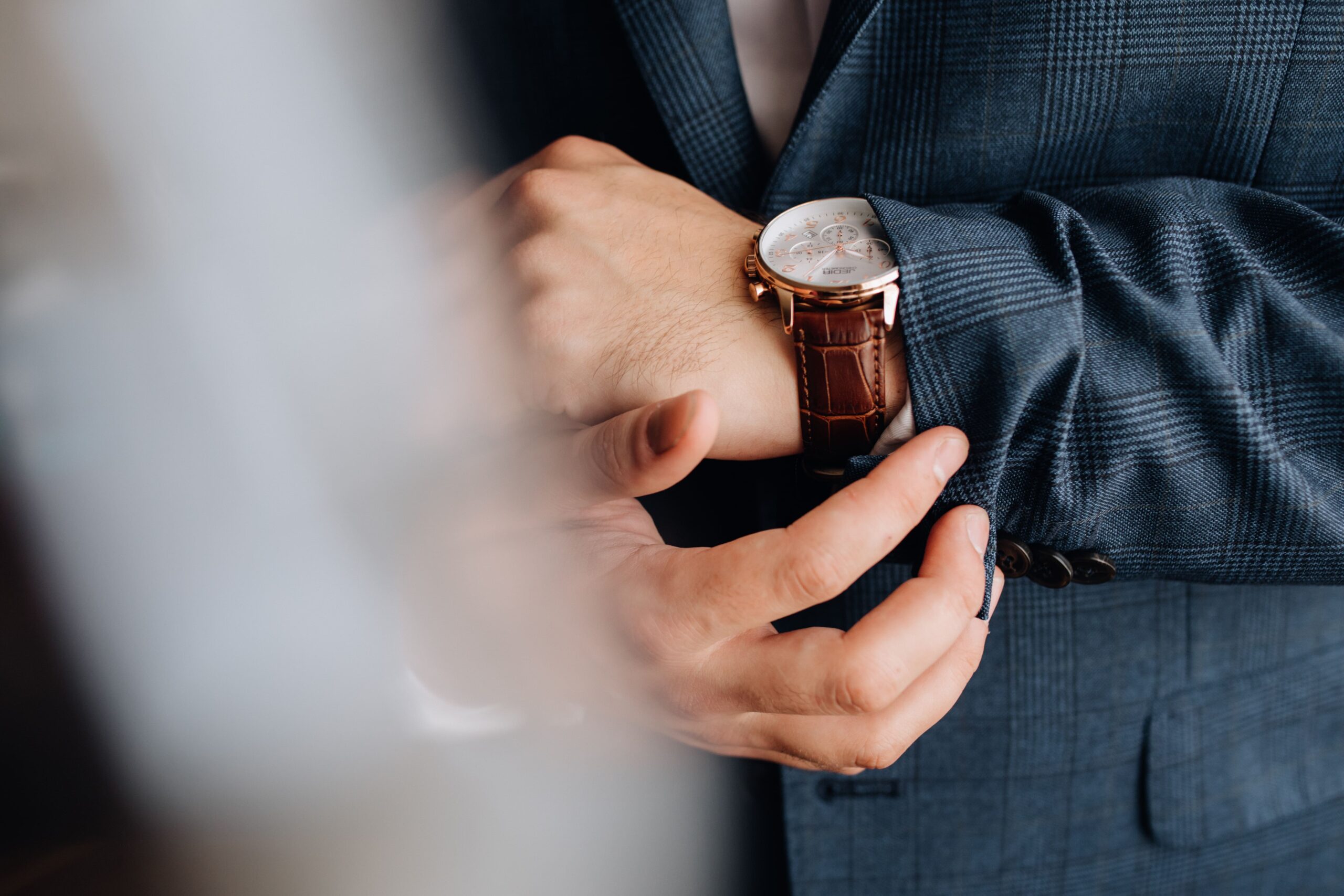
Many investments remain locked away in accounts, vaults, or portfolios. Watches offer a different experience.
Owners can enjoy them every day while still preserving value. A watch can accompany someone through important milestones, career achievements, family celebrations, and personal accomplishments.
Collectors often build their collections gradually. Some focus on sports watches, while others prefer dress watches, vintage models, or specific manufacturers. Over time, these collections can develop both financial and sentimental value.
The personal connection is part of what makes watch collecting unique. Few assets carry the same emotional attachment as a timepiece that has been worn for years and eventually passed to the next generation.
For those interested in learning more about the company behind these services, the About us page provides insight into Farhat Exchange’s long-standing presence in the jewelry and luxury watch market.
The Importance of Condition, Documentation, and Service History
Two identical watch models can have very different values depending on their condition and supporting documentation.
Collectors often place significant importance on original boxes, warranty cards, receipts, manuals, and service records. These items help verify authenticity and ownership history while making a watch more attractive to future buyers.
Condition remains equally important. Excessive polishing, damaged components, or neglected maintenance can reduce value considerably.
Regular servicing helps preserve both performance and appearance. While maintenance represents an additional cost of ownership, it often protects long-term resale potential.
This is especially true for vintage pieces. Watches that retain original components and remain in excellent condition frequently command stronger prices than examples that have undergone extensive alterations or repairs.
How Luxury Watches Compare to Traditional Investments
Luxury watches should not be viewed as direct replacements for traditional investments such as stocks, real estate, or precious metals.
Each asset class serves a different purpose and comes with different risks. Stock markets can deliver substantial growth but are often influenced by economic cycles and investor sentiment. Real estate may provide long-term appreciation but requires larger capital commitments and ongoing expenses.
Watches occupy a middle ground. They offer portability, personal enjoyment, and the potential for value retention. They also tend to be less liquid than publicly traded investments, meaning selling may take time depending on market conditions and the specific model.
Many experienced collectors view watches as part of a broader wealth strategy rather than the centerpiece of one. The appeal lies not only in potential returns but also in ownership itself.
Anyone considering buying, selling, or evaluating a luxury watch can Contact us to discuss available options and current market demand.
Luxury Watch Models That Consistently Attract Buyers
Certain watches continue attracting interest year after year because they combine strong brand recognition, historical significance, and consistent demand.
Sports watches from leading manufacturers often dominate collector conversations. Many buyers are drawn to models with long production histories, iconic designs, and proven market performance. Vintage references can be particularly appealing because they offer both rarity and a connection to a brand’s heritage.
Demand also tends to follow watches that have established reputations among collectors. These are the pieces that frequently appear in auctions, enthusiast communities, and resale marketplaces.
Still, market trends change over time. A watch purchased solely because someone expects rapid appreciation can be a risky move. The strongest buying decisions usually come when the owner genuinely appreciates the watch itself. If the piece maintains or increases its value over the years, that’s an added benefit.
That mindset often separates successful collectors from short-term speculators. They focus on quality, authenticity, condition, and long-term desirability rather than chasing temporary market excitement.